


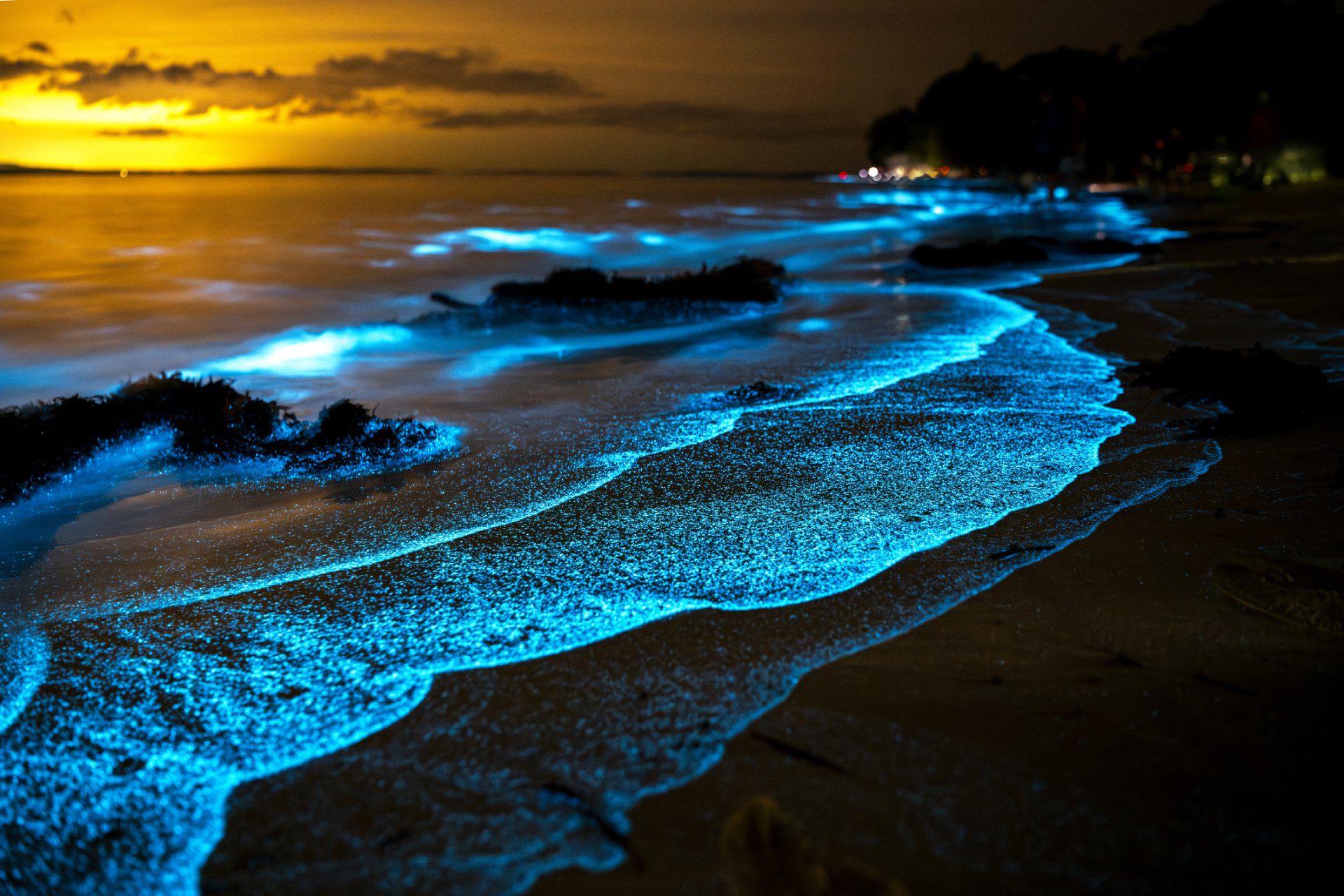
Can You See Bioluminescent Plankton in Corfu? A Complete Guide to the Island’s Glowing Waters
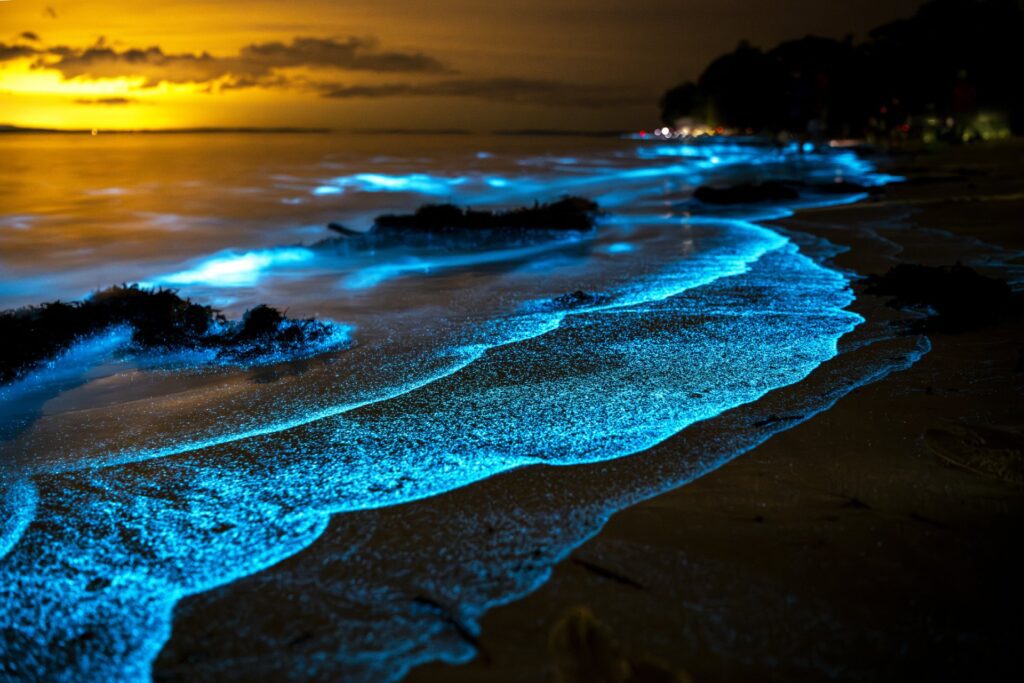
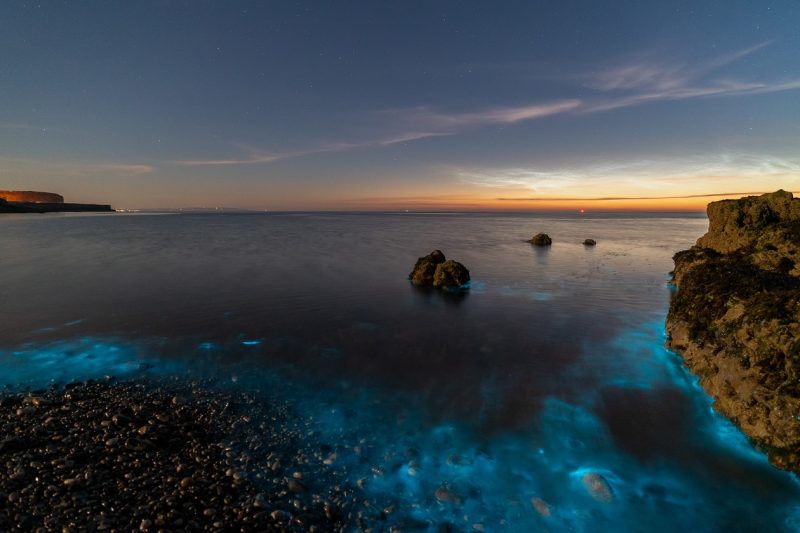
Few natural phenomena are as mesmerizing as a sea that appears to glow in the darkness. Across the world, bioluminescent bays attract travelers hoping to witness water illuminated by millions of microscopic organisms. While Corfu is not widely known as a bioluminescence destination, sightings of glowing water have occasionally been reported around the island during the warmest months of summer.
The phenomenon remains rare and unpredictable, but under the right environmental conditions visitors may experience flashes of blue-green light beneath the water’s surface. For many travelers, seeing bioluminescent plankton in the Ionian Sea becomes one of the most memorable experiences of their holiday in Corfu.
At Messonghi Travel Center, we are often asked about hidden beaches, secluded coves, and unusual natural attractions around the island. While no one can guarantee a bioluminescent sighting, understanding the science and knowing where to look can significantly improve your chances.
What Is Bioluminescence?
Bioluminescence is the natural production of light by living organisms. According to research published by National Geographic, bioluminescence occurs when specialized chemicals inside an organism react with oxygen, producing visible light without creating significant heat.
In the ocean, this phenomenon is commonly associated with microscopic plankton called dinoflagellates. When disturbed by waves, fish, swimmers, paddles, or boats, these tiny organisms emit flashes of blue or green light that can make the water appear to sparkle or glow.
Scientists estimate that bioluminescent organisms are found throughout the world’s oceans, but visible displays only occur when environmental conditions are just right.
Does Bioluminescence Occur in Corfu?
Yes—but only occasionally.
Unlike famous bioluminescent destinations such as Puerto Rico, Jamaica, or the Maldives, Corfu does not have permanent glowing bays. Instead, sightings depend on temporary blooms of bioluminescent plankton combined with favorable weather and sea conditions.
Local fishermen, sailors, divers, and long-term residents have occasionally reported seeing glowing water around parts of Corfu during exceptionally warm summer periods. These sightings are most likely when the sea is calm, water temperatures are high, and light pollution is minimal.
Because plankton populations naturally fluctuate, there is no reliable schedule for viewing the phenomenon. Some visitors may witness it during their stay, while others may never encounter it despite ideal conditions.
Why Summer Offers the Best Chances
The highest probability of encountering bioluminescent plankton in Corfu generally occurs during July and August.
During these months:
- Sea temperatures often exceed 25°C.
- The Ionian Sea remains calm for extended periods.
- Long hours of sunshine encourage plankton growth.
- Shallow bays retain warm water overnight.
- Stable weather patterns create favorable marine conditions.
After several days of calm weather, plankton concentrations may increase enough to produce visible flashes of light when disturbed.
Best Places to Look for Bioluminescent Plankton in Corfu
Paleokastritsa
The beautiful coastline around Paleokastritsa is one of the most promising areas on the island. Numerous hidden coves, sea caves, and sheltered bays provide calm water conditions and reduced light pollution.
Visitors exploring the west coast often discover that some of the smaller beaches become remarkably dark after sunset, creating ideal conditions for observing natural marine phenomena.
You can explore this stunning region during the day with our
Sidari & Paleokastritsa Tour.
Canal d’Amour, Sidari
Famous for its dramatic sandstone formations, Canal d’Amour is one of Corfu’s most unique coastal landscapes. The shallow, protected waters occasionally provide suitable conditions for plankton blooms.
Although sightings are rare, some visitors have reported faint blue flashes during exceptionally dark and calm nights.
Kerasia Beach
Located on Corfu’s quieter northeast coast, Kerasia Beach offers crystal-clear water, minimal development, and a peaceful atmosphere. The sheltered bay can occasionally create favorable conditions for marine plankton activity.
Korission Lagoon & Halikounas Beach
The protected ecosystem surrounding Korission Lagoon and Halikounas Beach is one of the least developed coastal areas in Corfu. Extensive sand dunes, wetlands, and the absence of major resorts create some of the darkest night skies on the island.
This combination of low light pollution and natural surroundings makes the area particularly attractive for stargazing and potential bioluminescence viewing.
How to Increase Your Chances of Seeing Sea Sparkle
Choose a Moonless Night
Moonlight is often the biggest obstacle when searching for bioluminescence. Even a partially illuminated moon can overpower the subtle glow produced by plankton.
The best opportunities occur during new moon periods when the night sky is at its darkest.
Allow Your Eyes to Adjust
Human vision requires approximately 20 to 30 minutes to fully adapt to darkness. Avoid checking mobile phones or using bright flashlights while searching for glowing water.
Move Through the Water
Bioluminescent plankton only emit light when disturbed. Walking into shallow water, moving your hands through the sea, or observing small waves breaking on the shoreline may trigger visible flashes.
Stay Away From Light Pollution
Busy beaches, hotels, roads, and beach bars generate significant artificial light. Remote locations generally provide a much better viewing experience.
Can You See Bioluminescence From a Boat?
Often, yes.
Being away from the shoreline can significantly improve visibility because artificial lighting is reduced and the water is often calmer. Small boats passing through sheltered bays occasionally create glowing trails behind them when bioluminescent organisms are present.
Many of Corfu’s most secluded beaches and hidden coves can only be reached by sea. Visitors looking to explore remote coastal locations may enjoy a private boat experience arranged through Messonghi Travel Center.
Popular options include:
- South Lagoon Boat Trip
- Blue Lagoon & Caves Cruise
- Paxos & Antipaxos Boat Trip
- Private sunset cruises
- Custom coastal exploration trips
Other Night-Time Natural Wonders in Corfu
Even if bioluminescent plankton does not appear during your visit, Corfu offers incredible nighttime experiences.
- Stargazing above Halikounas Beach
- Sunset sailing along the east coast
- Moonlit swimming in secluded coves
- Night photography around Paleokastritsa
- Watching fishing boats under the stars
- Exploring Corfu’s quieter beaches after sunset
Many visitors find that simply swimming in the warm Ionian Sea beneath a sky full of stars becomes one of the highlights of their holiday.
The Reality of Chasing Bioluminescence
One of the reasons bioluminescence remains so captivating is its unpredictability. Unlike scheduled attractions or organized events, glowing water appears only when nature provides the right conditions.
That uncertainty is part of the experience. Some travelers may witness blue sparks dancing beneath their feet on their very first night, while others may spend years visiting the island without ever seeing the phenomenon.
For those fortunate enough to encounter it, however, the sight of glowing trails in the sea is an unforgettable reminder of the hidden wonders that still exist in nature.
Discover More of Corfu
Whether you are searching for hidden beaches, spectacular viewpoints, traditional villages, or unforgettable boat trips, Corfu offers endless opportunities for exploration.
Browse our most popular experiences: